Detailed Description
Empowering Women’s voices and leadership in Anticipatory Action
As part of our commitment to enhancing climate resilience in
Nepal, the Institute of Himalayan Risk Reduction (IHRR) recently
undertook comprehensive field visits supported by World
Meteorological Organization (WMO) to key sites for the
"Environmental and Social Impact Assessment (ESIA) for HydroSOS
Nepal." The HydroSOS project, supported by the Adaptation Fund,
aims to establish an early warning system that safeguards
communities from floods and droughts across the
Ganga-Brahmaputra-Meghna (GBM) River Basin.
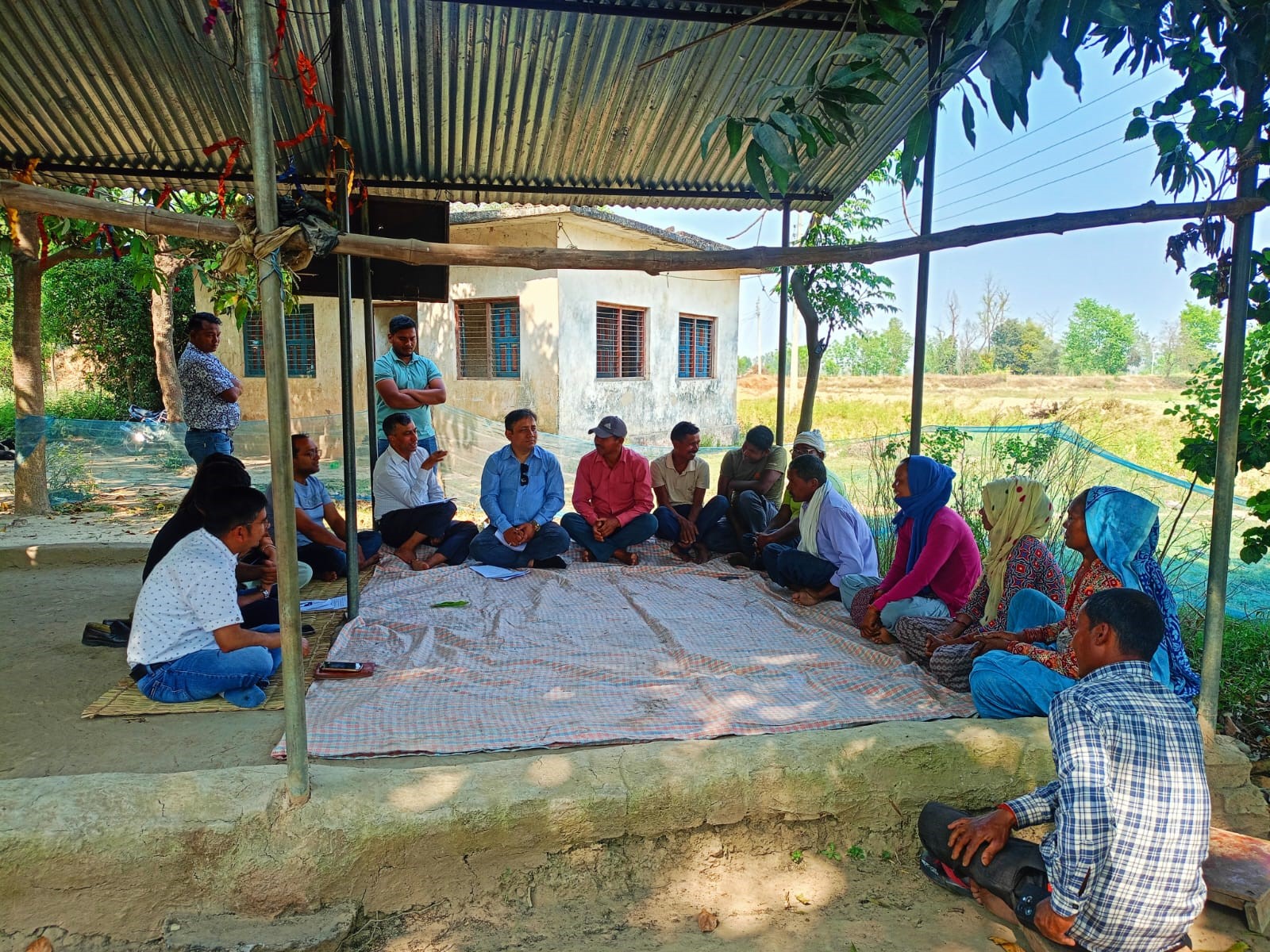
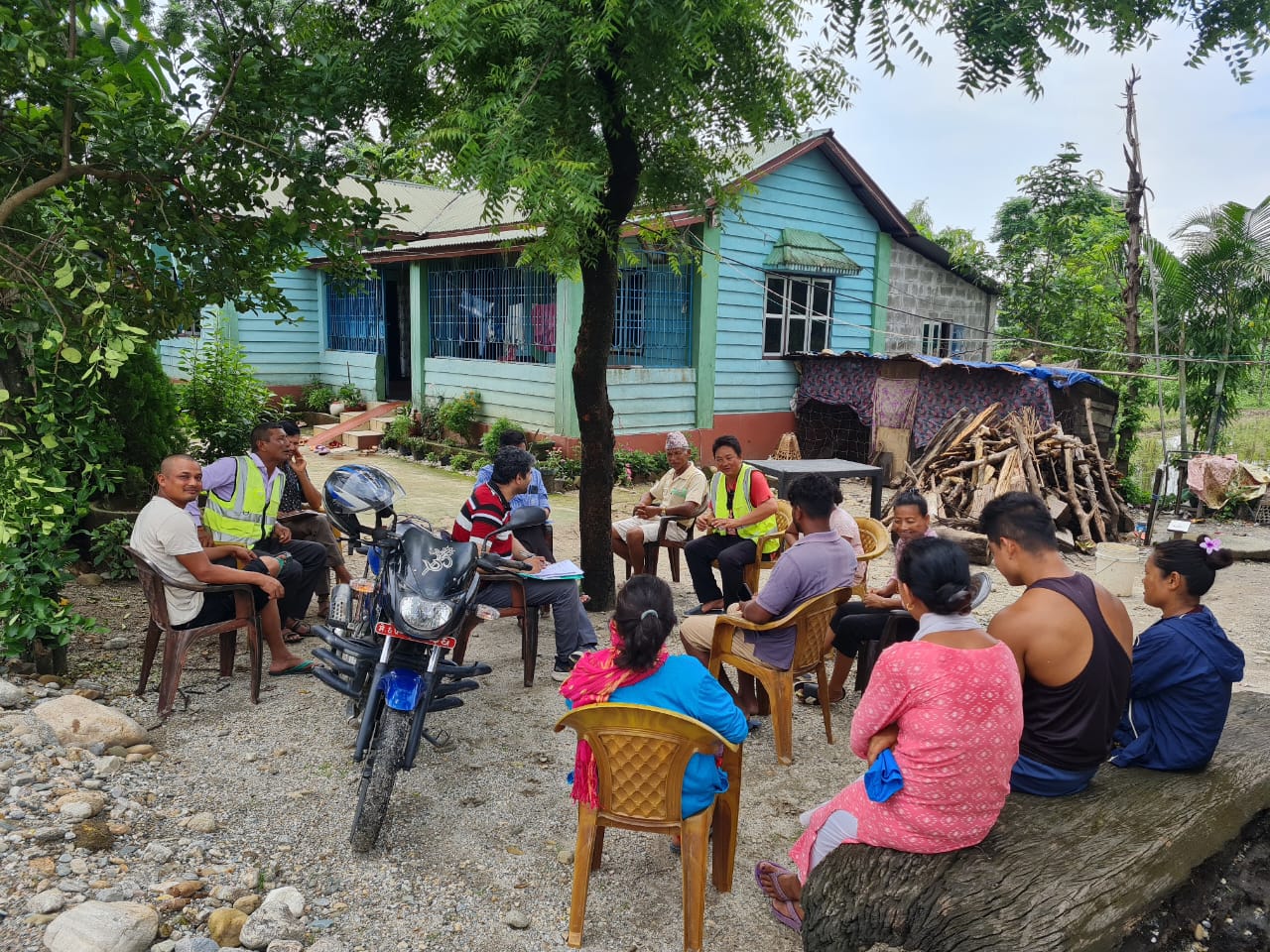
Our team visited the selected pilot sites, including the
Tamakoshi River in Dolakha District, the transboundary and
GLOF-prone Bhimeshwor Municipality, and flood- and
drought-affected areas along the Kankai River, covering Kankai
Municipality, Jhapa Rural Municipality, and Shivasatakshi
Municipality in Jhapa District. These visits were essential in
understanding the unique challenges faced by these communities.
In-depth discussions were held with 40 local stakeholders—20
men, 20 women, including 1 person with a disability (PWD)—to
explore how the HydroSOS project can best address local needs.
Guided by a carefully designed questionnaire, these
conversations focused on legal compliance, gender equality, and
the preservation of indigenous rights. The insights gathered not
only revealed strong community support but also emphasized the
need for inclusive, accessible communication strategies to
ensure that even the most vulnerable populations are empowered
by the early warning system.